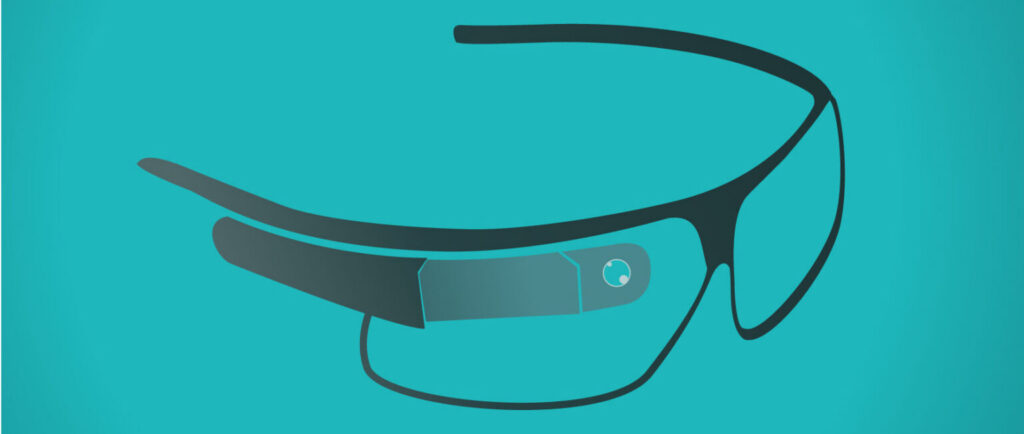
AR smart glasses move beyond fitness, blending augmented reality into daily professional and personal life seamlessly. Front-runners like Ray-Ban are using AR and AI wearables to redefine modern productivity and style.
The Future Is in Your Lenses
The world of wearables is shifting—fast. What began as smartwatches and step counters has evolved into AR-powered eyewear that fuses fashion, fitness, and productivity. Among the front-runners are Ray-Ban Meta Smart Glasses, merging the iconic Ray-Ban look with Meta’s AI and camera integration.
But do these glasses really fit into both your gym bag and briefcase? We spent a week testing them across workouts, work calls, and travel to find out if they deliver on their promise of a truly connected lifestyle.
What Makes AR Smart Glasses Different?
Unlike typical wearables, AR glasses use edge computing and voice-AI integration to deliver real-time functionality without reaching for your phone. You can take calls, capture photos, play music, and even access Meta AI by saying “Hey Meta.”
This isn’t just about convenience. It’s about digital embodiment—bringing the virtual layer into your physical experience. Whether you’re logging your run or recording behind-the-scenes content, AR eyewear is becoming the next step in hands-free living.
Meta’s integration with Ray-Ban’s design philosophy ensures that the tech doesn’t overshadow the look—something that early adopters of wearables have long demanded.
Testing Ray-Ban Meta in Real Life: Gym, Work, and Travel
In the gym, Ray-Ban Meta Smart Glasses felt surprisingly natural. With open-ear speakers, we could enjoy playlists or podcasts while staying aware of surroundings—ideal for outdoor running or cycling. The built-in 12MP camera captures crisp, stabilized clips for content creators or athletes tracking form.
During meetings or work sessions, the voice-to-text transcription was efficient for note-taking and quick responses. The Meta AI assistant handled contextual queries like “summarize my notes” or “remind me to check client feedback at 2 PM.”
For travel, real-time photo sharing through WhatsApp and Messenger made journaling experiences seamless. The glasses’ weight and design made them feel closer to regular eyewear than tech gear—a massive win for everyday wearability.
Fashion Meets Function
Ray-Ban Meta proves that you no longer have to compromise between aesthetics and utility. Available in classic Wayfarer and Headliner frames, they look like premium eyewear first and smart devices second.
Their discrete design allows users to blend tech seamlessly into daily routines—whether you’re presenting at work, cycling along the beach, or attending a meeting in a café.
It’s this balance that signals the next era of wearable tech: tools that enhance our experience without defining it.
How They Compare to Other AR Glasses
Not all AR glasses are created equal. Some prioritize style, others focus on immersive AR, and a few aim for simplicity. Ray-Ban Meta Smart Glasses strike a sweet spot—combining fashion, AI, and camera features in a lightweight, everyday-wearable package. The trade-off? Full AR overlays are limited compared to some competitors.
If immersive AR is your focus, Nreal Air delivers virtual screens and overlays, but its design is more “tech gadget” than casual eyewear. Magic Leap 2 offers enterprise-grade precision and advanced AR, but its bulky form makes it impractical for daily wear. For a simpler, audio-first approach, Amazon Echo Frames and Bose Frames are lightweight and unobtrusive—but don’t expect advanced AI or cameras.
Here’s a quick snapshot of how they stack up:
| Glasses | Strengths | Weaknesses | Best For |
|---|---|---|---|
| Ray-Ban Meta Smart Glasses | Stylish, AI and camera integration, lightweight | Limited AR overlays, 4–5 hr battery | Fitness, work productivity, casual wear |
| Nreal Air | Immersive AR overlays, virtual screens | Less subtle design, not ideal for daily wear | Entertainment, AR apps, media consumption |
| Magic Leap 2 | Enterprise-level AR, precise tracking | Bulky, expensive, impractical for casual use | Enterprise, professional AR applications |
| Amazon Echo Frames / Bose Frames | Lightweight, audio-focused, hands-free calls | Limited AI, minimal smart features | Audio, simple notifications, casual use |
This quick glance makes one thing clear: while each device has its niche, Ray-Ban Meta balances style, tech, and everyday practicality, making it the most versatile option for workouts, work, and life on the go.
Final Thoughts: The Everyday Augmented Life
Entrepreneurs like Hugo Barra, former Meta Reality Labs executive, predict that “AR wearables will replace smartphones as the most natural digital interface within a decade.” With companies like Apple, Meta, and Samsung investing billions in AR ecosystems, we’re witnessing a new frontier where glasses become extensions of identity, performance, and productivity.
As AR technology becomes lighter and more personal, smart glasses are poised to redefine digital balance, blending workflows, wellness, and social life seamlessly. For those looking to integrate this new wave of wearables into everyday life, a model like the Ray-Ban Meta strikes a rare balance—combining style, functionality, and hands-free convenience.
Whether you’re capturing a sunrise run, joining a work call mid-commute, or enjoying your favorite playlist on the go, the next evolution of Ray-Ban Meta Smart Glasses—is already here, sitting comfortably and stylishly on your face.