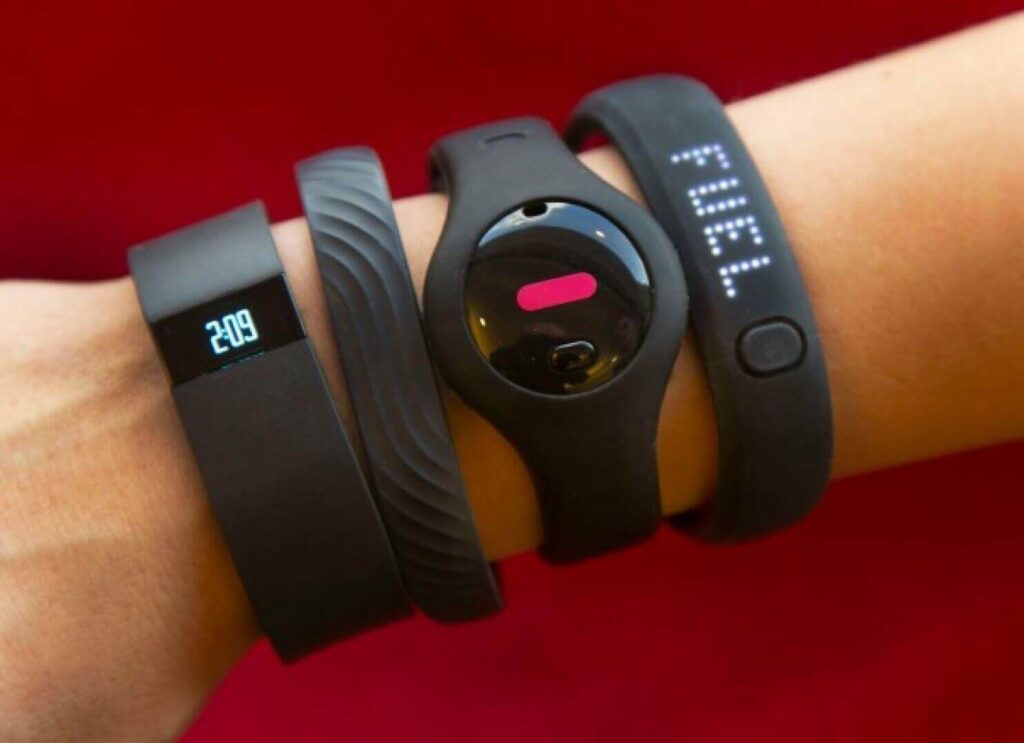
From smartwatches and fitness trackers to smart rings and wellness jewelry, these devices promise a window into your health and lifestyle. But choosing the right one isn’t just about the latest features — it’s about accuracy, reliability, and how well it fits into your life.
Here’s a guide to help you shop smart.
Data Accuracy Over Hype
Wearables can track all kinds of things — heart rate, sleep, stress, even oxygen levels. But not all devices measure these accurately. Having lots of features is nice, but accuracy matters more.
When shopping, keep these points in mind:
- Look for devices with sensors that have been tested or certified.
- Check if the data is consistent over several days.
- Read expert or independent reviews that test the device’s accuracy.
Some brands often appear in accuracy comparisons: Apple, Garmin, Samsung, and Polar for smartwatches, and Oura and Motiv for sleep and recovery rings. You don’t need to know the tech details — just be aware that some brands invest more in reliable sensors.
Ecosystem Reliability
A wearable is only useful if it works well with the apps and devices you already use. Ask yourself:
- Can it sync with your phone, fitness apps, or other devices you own?
- Does the app get regular updates?
- Will the company support it over time with software updates?
Brands like Apple, Fitbit, Samsung, and Garmin often offer strong app support and smooth integration. You don’t need to master every feature — just make sure it fits with your lifestyle and existing gadgets.
Testing for Yourself
You don’t need to be a tech expert to figure out if a wearable works for you. Try these simple checks:
- Track your heart rate for a few days and see if it matches how you feel.
- Compare your sleep data to how rested you actually feel in the morning.
- Check activity or workout stats — huge inconsistencies might mean the device isn’t accurate.
Even within one brand, different models can behave differently. Personal testing is the best way to find the one that suits your needs.
Brands to Keep in Mind (For Research Only)
Here are some wearable brands that often appear in comparisons for sensor quality and ecosystem reliability. This list is meant for context and research — not a recommendation of any specific model:
Smartwatches & Fitness Trackers:
- Apple — strong app ecosystem and health tracking
- Garmin — great for sports and outdoor activities
- Samsung — versatile and integrates with Android devices
- Polar — focused on training and heart rate tracking
- Fitbit — reliable for daily activity and sleep monitoring
Smart Rings & Wellness Wearables:
- Oura — specialized in sleep and recovery
- Motiv — discreet wellness tracking
Hybrid or Luxury Wellness Devices:
- Withings — combines classic design with health metrics
- Whoop — focuses on strain, recovery, and performance analytics
When researching, always check individual model reviews and performance data rather than relying on brand reputation alone.
Finding the Right Fit for You
A good wearable isn’t just about flashy features — the real value comes from accuracy and reliability. Make sure the device measures your health metrics consistently and delivers trustworthy information. Equally important is that it fits seamlessly into your ecosystem and lifestyle, syncing smoothly with your apps, phone, and other devices. Finally, the best way to know if a wearable truly works for you is to test it yourself — pay attention to comfort, ease of use, and whether the data feels consistent and useful in your daily life.
Whenever possible, try devices in-store or through trial periods. Comfort and app experience can be just as important as technical specs.